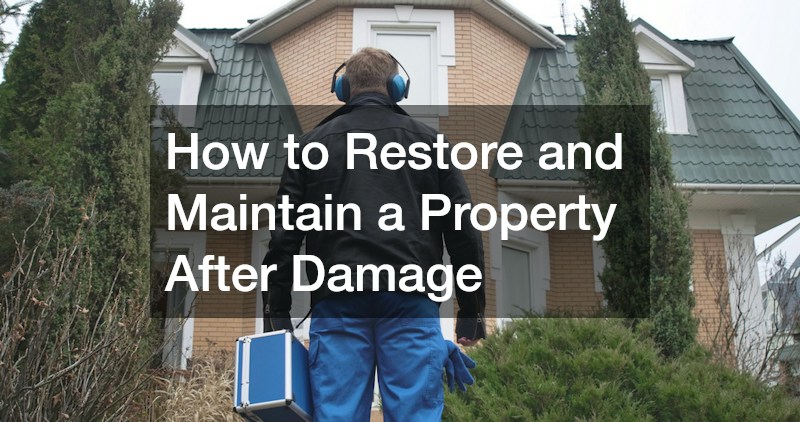

Property damage can disrupt everyday routines, create safety concerns, and leave homeowners unsure where to begin. Storms, fires, fallen trees, moisture problems, impact damage, and neglected exterior surfaces can all affect different parts of a property at the same time. A successful recovery plan starts with identifying immediate hazards, documenting visible damage, and separating urgent repairs from improvements that can be scheduled later.
Restoration is rarely a single-step process. Cleanup, structural work, moisture control, exterior repairs, and debris removal often need to happen in a specific order so one project does not interfere with another. Homeowners should also think beyond the initial repair. Once damaged areas are stabilized, routine maintenance can help protect restored surfaces and make future problems easier to detect. By approaching recovery as a coordinated property project, homeowners can move from emergency response to long-term maintenance with a clearer sense of priorities.
Assess Immediate Safety and Stabilization Needs
The first priority after significant property damage is determining whether the home and surrounding areas are safe to enter or use. Fallen branches, damaged electrical components, unstable walls, standing water, broken glass, and exposed roofing materials can create hazards that should be addressed before cosmetic repairs begin.
An emergency damage restoration service can help stabilize affected areas and reduce the chance of additional damage. Depending on the situation, this may involve water extraction, temporary board-up work, roof coverings, debris removal, drying equipment, or other protective measures. Homeowners should avoid entering areas that appear structurally compromised or contain electrical hazards.
Documentation is also important during the early stages. Photographs, videos, written notes, and receipts can help create a record of what occurred and what work was completed. Homeowners may also need to contact their insurance carrier before removing certain materials, depending on the terms of their policy.
It is helpful to separate urgent problems from secondary ones. A leaking roof or unsafe opening should usually take priority over staining, landscaping, or cosmetic damage. Stabilizing the property first gives contractors a safer environment to work in and helps prevent weather, pests, or moisture from making the original damage worse.
Before anyone begins cleanup, utilities should also be considered. If damage involves gas, electricity, or water lines, homeowners may need qualified professionals to confirm that affected systems are secure before restoration crews begin working nearby.
Remove Trees, Vegetation, and Outdoor Hazards
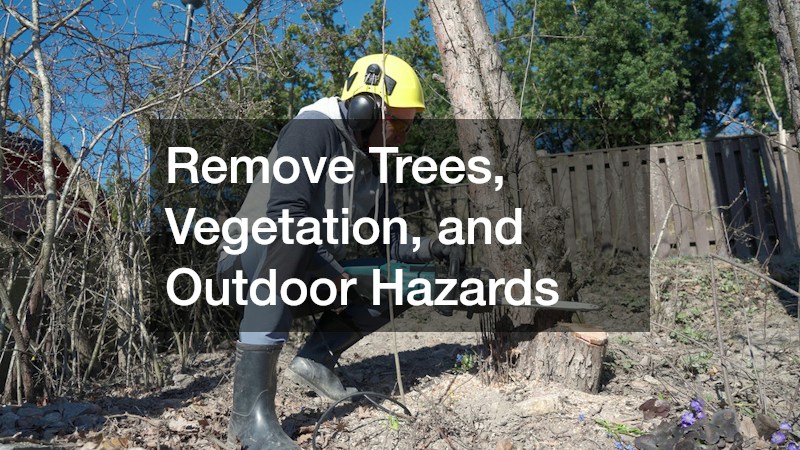
Storms can leave trees leaning, branches resting on structures, and vegetation blocking driveways or access points. Before exterior repairs begin, homeowners may need to clear these obstacles so crews can safely reach damaged areas.
Storm damage tree removal services can address fallen trees, hanging limbs, and trees that have become unstable after high winds or saturated soil. Tree work should be approached carefully because damaged trunks and branches can shift unexpectedly. Large trees near roofs, utility lines, fences, or neighboring properties may require specialized equipment and careful planning.
Some properties may need more extensive clearing after severe weather or long-term neglect. Land clearing services can remove brush, unwanted vegetation, stumps, and other obstacles to prepare areas for reconstruction, drainage improvements, new landscaping, or access routes. Clearing should be planned with erosion and drainage in mind so bare soil is not left vulnerable to runoff.
Homeowners should also inspect trees that appear unaffected. Cracked branches, newly leaning trunks, or exposed roots can indicate problems that are not immediately obvious. Once urgent hazards are removed, routine trimming and landscape maintenance can help preserve visibility, access, and clearance around structures.
Access planning can make outdoor cleanup more efficient. Crews may need room for cranes, chippers, trucks, or hauling equipment, so vehicles, outdoor furniture, and movable decorations should be relocated before removal work begins whenever possible.
Manage Debris and Cleanup Efficiently
Damaged building materials, broken furniture, tree debris, packaging, and discarded household items can accumulate quickly during restoration. A clear debris plan keeps work areas safer and prevents waste from interfering with contractors.
A dumpster rental service can provide a designated place for approved construction and cleanup materials. Choosing the appropriate container size can reduce the need for repeated hauling, while careful placement can keep driveways, entrances, and work zones accessible. Homeowners should confirm which materials are permitted because chemicals, electronics, tires, appliances, or hazardous waste may require separate disposal.
Cleanup should be organized in phases. Heavily damaged items may need to be removed first so structural areas can be inspected. Later stages can focus on smaller debris, packaging, and materials generated by repair work. Keeping salvageable items separate from waste can prevent accidental disposal of belongings that could be cleaned or restored.
Exterior surfaces may also need attention after debris removal. Pressure washing services can help clean dirt, organic buildup, stains, and residue from appropriate siding, concrete, walkways, patios, or other durable surfaces. The pressure and cleaning method should match the material, since excessive force can damage softer finishes or push water into vulnerable areas.
Homeowners can also protect unaffected areas by establishing pathways for workers and materials. Floor coverings, barriers, and designated staging zones can limit dirt, dust, and accidental damage as debris moves through or around the property.

Inspect Masonry and Structural Exterior Features
Brick, block, stone, concrete, and mortar can sustain damage from falling trees, impact, fire, water, and freeze-thaw cycles. Cracks, loose sections, displaced materials, and failing mortar should be evaluated before they become larger problems.
A masonry contractor can inspect chimneys, retaining walls, steps, foundations, walkways, and exterior walls for visible deterioration. Some cracks may be cosmetic, while others can indicate movement, moisture problems, or structural stress. Repairs should address the cause of the damage rather than simply covering the surface.
Chimneys deserve particular attention after storms or fires. Loose masonry, damaged caps, and deteriorated joints can allow water to enter or create falling hazards. Retaining walls should also be checked for leaning, bulging, drainage issues, or displaced blocks after heavy rain.
Homeowners can support long-term masonry maintenance by keeping water away from vulnerable areas. Gutters and downspouts should direct runoff away from foundations and walls, and landscaping should not trap moisture against masonry surfaces. Periodic inspections can make it easier to spot changes in cracks, mortar joints, or surface condition before repairs become more extensive.
Changes in masonry should be photographed and monitored over time, especially when replacement is not required. Comparing later conditions with images can help homeowners notice widening cracks, shifting joints, or recurring moisture patterns more easily.
Repair Windows, Doors, and Garage Access
Openings around the home are especially vulnerable during storms, impacts, and fire-related events. Damaged windows and garage doors can allow rain, wind, debris, pests, and unauthorized access into the structure, so these areas should be secured early in the restoration process.
Window companies can assess cracked glass, damaged frames, failed seals, warped components, and openings that no longer close correctly. Depending on the condition, a window may need glass replacement, hardware repairs, sealing, or complete replacement. Homeowners should also inspect interior walls around windows for moisture staining or soft materials that could indicate water intrusion.
Garage door repair may be necessary if tracks are bent, panels are damaged, cables are loose, or the opener no longer functions after an impact or storm. A door that moves unevenly or appears unstable should not be repeatedly operated until it has been inspected. Damaged garage access can also expose stored belongings and interior areas to weather.
Exterior doors, trim, flashing, and seals should be included in the same inspection. Small gaps can admit water during future storms, while damaged locks or frames can reduce security. Coordinating repairs to these openings can help restore the building envelope before interior finishing work begins.
Replacement projects can be an opportunity to improve energy efficiency, weather resistance, and ease of operation. However, homeowners should compare product specifications carefully and select options that match the existing structure and local environmental conditions.
Check for Moisture and Mold Problems
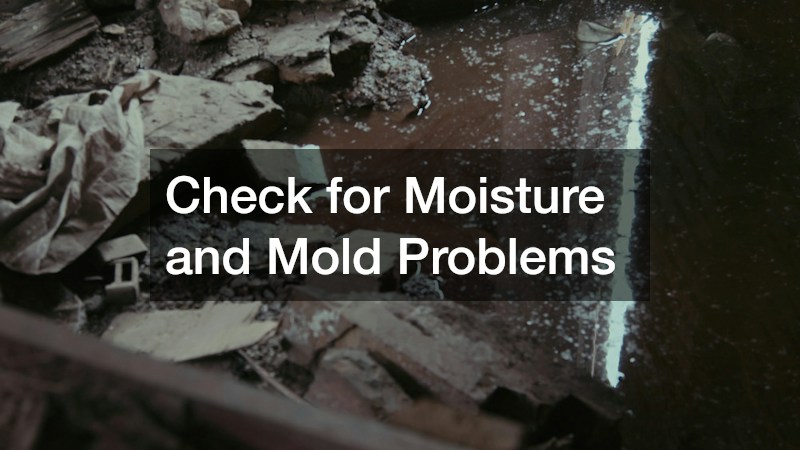
Water damage can continue creating problems after visible puddles and wet materials are gone. Moisture may remain behind walls, beneath flooring, inside insulation, or in poorly ventilated areas, making careful inspection an important part of restoration.
Mold detection services can help identify areas where moisture conditions may have supported mold growth. This can be especially useful after roof leaks, flooding, plumbing failures, or firefighting efforts. Visible staining or musty odors can signal a problem, but hidden moisture may require specialized tools or testing methods.
Drying should begin as soon as conditions allow. Wet materials may need to be removed, while fans, dehumidifiers, or professional drying equipment can help reduce moisture levels. The source of water must also be corrected so the same area does not become wet again.
Homeowners should continue watching restored areas over time. Peeling paint, warped trim, discoloration, condensation, or recurring odors may indicate an unresolved issue. Gutters, drainage systems, plumbing fixtures, roof penetrations, and seals around windows should be maintained because controlling water entry is one of the most effective ways to reduce future moisture-related damage.
Basements, crawl spaces, attics, and wall cavities deserve special attention because these areas can remain damp after other rooms appear dry. Ventilation and dehumidification may be necessary until moisture levels return to an appropriate range.
Address Fire and Smoke Damage Carefully
Fire damage can affect far more than the area where flames were visible. Smoke, soot, water, heat, and odors can travel into neighboring rooms, wall cavities, ventilation systems, and personal belongings. Restoration should account for all of these effects rather than focusing only on visibly burned materials.
A fire restoration company can evaluate damaged areas and coordinate cleanup, odor control, material removal, and rebuilding. Some surfaces may be cleaned, while others may need to be discarded because heat or smoke has permanently altered them. Structural materials exposed to intense heat should also be evaluated before repairs are covered with new finishes.
Soot cleanup requires appropriate methods because wiping certain residues incorrectly can spread stains or push particles deeper into porous materials. Ventilation systems, appliances, cabinets, and hidden spaces may also need inspection depending on the location and severity of the fire.
After restoration, homeowners can review fire prevention measures throughout the property. Smoke alarms should be tested, damaged electrical systems should be repaired, and combustible materials should be stored safely. Maintaining heating equipment, kitchen appliances, fireplaces, and exterior grills can also reduce avoidable risks during everyday use.
Personal belongings should be evaluated separately from structural materials. Furniture, textiles, documents, and electronics may require specialized cleaning or disposal methods, and homeowners should avoid assuming that every smoke-affected item can be safely cleaned.

Build a Long-Term Maintenance Routine
Once repairs are complete, ongoing maintenance helps protect the work that has already been done. A seasonal schedule can make it easier to inspect exterior surfaces, drainage, trees, windows, masonry, and other areas before small problems become major repairs.
Homeowners can begin with a visual walkaround several times each year. Look for loose siding, new cracks, damaged shingles, clogged gutters, deteriorated caulk, leaning fences, and areas where water collects. After severe storms, inspect trees, roof edges, windows, and exterior walls for changes that may require professional attention.
Cleaning also supports maintenance. Pressure washing services may be useful periodically for suitable exterior surfaces, while gutters, drains, and walkways should be kept clear of leaves and debris. Masonry joints, garage doors, and window seals can be checked at the same time so several small tasks are completed together.
Records can make maintenance more efficient. Keep notes about repairs, contractor visits, product warranties, paint colors, roofing materials, and replacement dates. Photographs taken after restoration can provide a useful baseline for future comparisons.
Seasonal reminders can make this routine easier to follow. Scheduling inspections around spring rain, summer storms, autumn leaf fall, and winter freezes gives homeowners predictable opportunities to identify wear and address maintenance before conditions worsen.
Property recovery does not end when construction crews leave. The best long-term results come from combining thoughtful restoration with regular observation and preventive care. By maintaining drainage, cleaning surfaces, monitoring trees, checking openings, and responding quickly to new damage, homeowners can protect restored areas and keep the property safer, cleaner, and easier to manage over time.