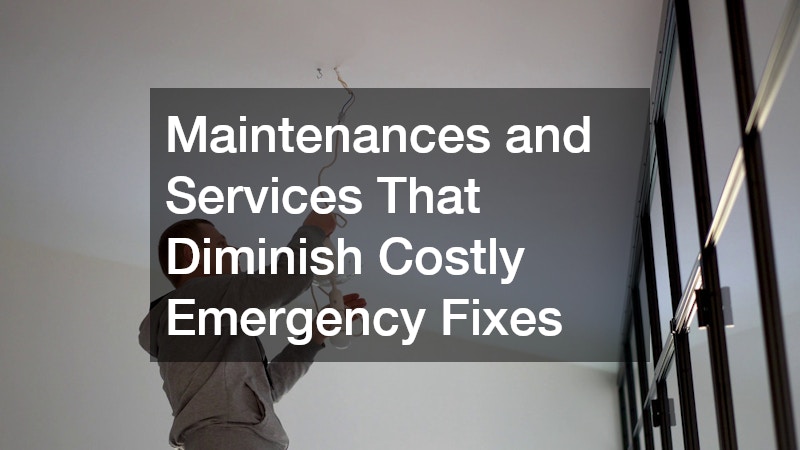

Imagine waking up at two o’clock on a freezing January morning to the sound of rushing water, only to find your basement ankle-deep in freezing slush. Your heating system has shut down, a water pipe has burst, and the panic begins to set in. As you frantically search for emergency assistance, you already know that the upcoming bill is going to be astronomical. Emergency dispatch fees, holiday or after-hours surcharges, and expedited labor rates can easily turn a minor mechanical glitch into a multi-thousand-dollar financial disaster.
The unfortunate reality is that many homeowners operate entirely on a reactive basis. They wait for a system to completely fail before giving it any attention. This approach is not only incredibly stressful, but it is also the most expensive way possible to manage a property. Shifting your mindset from reactive fixing to proactive, strategic maintenance is the single most effective way to protect your hard-earned savings. By understanding how your home’s core systems interact and investing small amounts of time and money into routine upkeep, you can stop disasters before they even start.
Climate Control: Fortifying Your Heating and Cooling Systems

Your home’s heating, ventilation, and air conditioning system is the mechanical heart of your indoor comfort and is one of the most expensive to replace. When it breaks down during extreme weather, you pay premium emergency rates to make your living space safe again. Preventative care maximizes unrestricted airflow and reduces mechanical stress on components.
Restricted airflow from dirt and neglect makes your system work harder to move air, putting strain on internal parts like compressors and heat exchangers. Over time, it can overheat, causing electrical components to fry or mechanical parts to seize. Routine checks ensure that small, inexpensive glitches are caught during a standard inspection before they snowball into catastrophic HVAC repairs that catch you completely off guard.
To keep your system running smoothly year-round, incorporate these straightforward diagnostic habits into your home routine:
- Swap out your air filters every thirty to ninety days, depending on whether you have pets or allergy sufferers in the household.
- Maintain a clear two-foot perimeter around your outdoor condenser unit by trimming back bushes, tall weeds, and overhanging branches.
- Listen closely for unusual noises like squealing, rattling, or thumping when the system kicks on, as these indicate loose or failing parts.
- Gently rinse the outdoor coils with a garden hose every spring to remove built-up pollen, dirt, and lawn debris that insulate the unit and trap heat.
The network of passages in your walls and ceilings is crucial to your system’s health. Leaky, unsealed ducts allow up to thirty percent of conditioned air to escape into spaces like attics or crawlspaces, forcing your equipment to run longer, accelerating wear and tear.
If some rooms are drafty while others are stifling, or your energy bills are rising despite normal weather, your air delivery system may be compromised. Addressing these issues early balances system pressure and stabilizes utility expenses. Professional duct repairs ensure seams are sealed, reducing the burden on your central unit and preventing mechanical collapse.
Water and Waste: Preventing Clogs and Hidden Structural Flooding

Few home emergencies are as disruptive, unhygienic, and costly as a major failure of your waste management or water delivery infrastructure. A main sewer line backup or hidden water leak can destroy flooring, ruin drywall, and warp structural framing in minutes. Protecting this infrastructure requires keeping waste lines obstruction-free and catching minor plumbing issues before they cause major floods.
Main drain lines do not clog overnight. They constrict slowly over time as grease, soap scum, hair, and mineral scales accumulate along inner pipe walls, creating a rough surface that catches debris and narrows the path until total blockage occurs. When this happens, raw sewage backs up through floor drains, sinks, and tubs. Many homeowners try using harsh chemical cleaners, but these often sit in pipes, causing intense heat that corrodes metal or warps plastic, worsening the problem.
Implementing a strict drain preservation strategy will save you from the absolute nightmare of a sewage backup:
- Never pour cooking oils, bacon grease, or fatty food scraps down the kitchen sink, even if you have a garbage disposal.
- Install fine mesh strainers in every shower and bathtub stall to catch hair and soap fragments before they enter the drain opening.
- Flush your bathroom drains once a month with a gallon of boiling water to melt away lingering soap scum and organic residue.
- Schedule a professional technician to perform a comprehensive drain cleaning using hydro-jetting technology to restore your pipes to their original diameter.
Waiting for a pipe to burst before seeking professional help puts you at a disadvantage. During an emergency, you lack time to read reviews, verify licensing, or compare quotes, forcing you to hire whoever arrives fastest, irrespective of their pricing or quality. Building a relationship with an expert team during calm times ensures a trusted partner is ready to help when necessary.
An annual preventative walk-through by a qualified professional can identify hidden hazards that might be missed. Technicians can check your water pressure, inspect the anode rod inside your water heater, and test your main water shutoff valve. Partnering with a licensed plumbing company for routine evaluations allows you to replace brittle supply lines and failing valves at your convenience, instead of dealing with an emergency.
Thermal Envelope & Insulation: Protecting the Home’s Shell
Your home’s thermal envelope, comprising the roof, walls, windows, and doors, separates indoor living space from outdoor elements. When compromised, water can seep in, drafts can chill rooms, and structural rot can occur. Protecting your property’s exterior prevents water intrusion and minimizes loss of conditioned indoor air.
The roof is your home’s first line of defense against rain, sleet, and snow, often neglected due to being out of sight. A displaced shingle, cracked vent boot, or misaligned flashing can allow water into the attic, potentially causing extensive damage by the time it’s visible inside.
Keeping your overhead defenses strong requires regular vigilance and timely intervention:
- Clean your gutters and downspouts at least twice a year to prevent water from backing up under your shingles or spilling down onto your foundation.
- Visually inspect your roof from the ground using binoculars after major windstorms to look for missing, curled, or damaged shingles.
- Step inside your attic with a flashlight during a heavy downpour to check for active drips, damp wood, or dark water stains on the underside of the roof.
- Establish a relationship with experienced roofers to secure loose edges, seal aging pipe boots, and perform minor patch-ups before a small leak ruins your ceilings.
Windows and doors are openings in your home’s exterior that can cause energy loss and moisture infiltration. As a house settles, window frames can warp, caulking can crack, and weatherstripping can degrade. These issues let heated or cooled air escape, making your climate control run continuously.
Check your openings by feeling for drafts or looking for condensation between double-pane glass, indicating a broken seal. If frames are soft or hard to operate, the unit’s integrity is compromised. Upgrading to modern replacement windows can eliminate energy drain, seal out moisture, and reduce heating and cooling workload.
Basement & Interior Mechanics: Appliance Longevity and Environmental Health
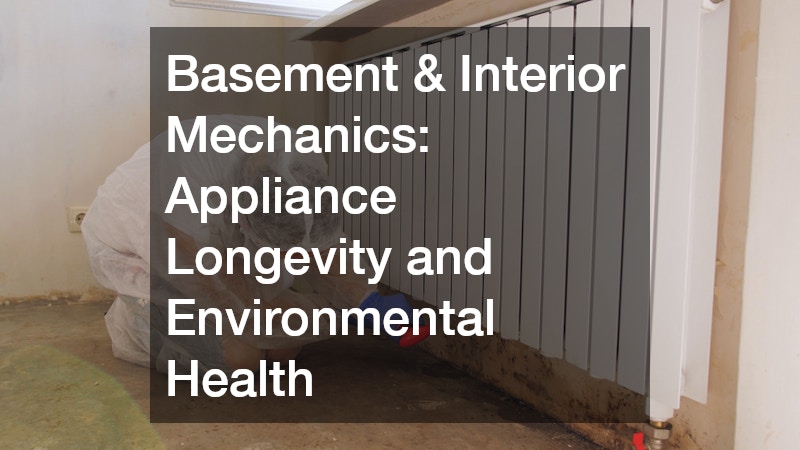
The lower levels and utility rooms house the machinery responsible for daily comfort and health. Maintaining these systems requires keeping heating units in top condition and managing moisture in enclosed, underground spaces. Neglecting these areas can lead to heating failures or hazardous biological growth.
A heating system failure in winter is more than an inconvenience; it is a threat to your property’s infrastructure. When temperatures drop below freezing, water lines in walls can freeze and burst, causing flooding when they thaw. Preventative furnace care ensures your unit can handle consecutive sub-zero days without unexpectedly shutting down.
Simple pre-winter preparations can dramatically lower the likelihood of a mid-season heating breakdown:
- Test your heating system in early autumn, well before you actually need it, to ensure it fires up and reaches temperature without issue.
- Vacuum away dust and lint from around the burner assembly and the base of the unit to ensure clean, efficient combustion.
- Verify that all floor registers and return air grates throughout the house are open and completely unobstructed by furniture or rugs.
- Book a comprehensive furnace repair and tune-up with a qualified technician to clean the flame sensor, inspect the heat exchanger for dangerous cracks, and lubricate the blower motor.
Keeping the heat on is crucial for winter survival, but managing moisture is a year-round challenge for indoor health. Basements, crawlspaces, and utility closets are naturally prone to dampness due to hydrostatic pressure and minor leaks from appliances. When warm, humid air contacts cool concrete walls or uninsulated pipes, condensation occurs, fostering organic growth.
Unchecked, mold spores can quickly multiply behind drywall, under carpeting, and inside wall cavities, damaging structural materials and polluting your air. If you detect a persistent musty smell, peeling paint, or dark spots, act fast. Hiring professionals for mold remediation halts spore spread, addresses moisture causes, and prevents costly environmental cleanup.
Access and Utility: Moving Parts and Everyday Appliance Care

The moving parts and high-frequency appliances you use daily need consistent attention to avoid failures. These are part of your routine and can be overlooked until they suddenly stop working. Maintenance involves managing mechanical components and protecting high-vibration appliances.
Your garage door is likely the largest moving object at home. It depends on high-tension springs, steel cables, tracks, and rollers to operate safely. Over time, vibrations can loosen fasteners, dry out lubricants, and misalign tracks. If a spring snaps or a cable breaks while the door is moving, it can cause structural damage, trap vehicles, or cause injury.
Regular mechanical tune-ups will keep this massive entry point operating smoothly and safely:
- Spray the metal rollers, hinges, and torsion springs with a high-quality silicone or lithium lubricant every six months to reduce friction.
- Tighten any loose nuts and bolts on the door track and the ceiling-mounted opener assembly using a basic wrench set.
- Test the auto-reverse safety sensors monthly by placing a solid object on the ground in the door’s path to ensure it reverses immediately upon contact.
- Recognize when old, noisy, or misaligned tracking has reached the end of its lifespan, and invest in a professional garage door installation to restore safety and reliability.
Inside the home, your laundry appliances handle massive physical stress during every single cycle. Washing machines spin heavy, water-logged loads of clothes at incredibly high speeds, generating significant centrifugal force and vibration. If a machine is not perfectly level, or if it is constantly overloaded, these forces will quickly wear out the internal drive belts, destroy the drum bearings, and burn out the drain pump.
Furthermore, standard rubber water supply hoses degrade over time, cracking from the constant water pressure and occasionally bursting without warning, dumping hundreds of gallons of water into your home. Replacing these factory rubber hoses with braided stainless steel lines every five years is an inexpensive way to prevent a major flood. If your machine starts making loud banging noises during the spin cycle or struggles to drain water completely, scheduling a timely washer repair will save the internal motor and prevent you from having to purchase a costly new appliance long before it should be necessary.
Every dollar and hour you invest in the routine maintenance of your home acts as an insurance policy against the chaos, stress, and exorbitant fees of emergency repairs. Homeownership does not have to be a continuous cycle of waiting for things to break and scrambling to pay for emergency service calls. By taking control of your property’s care, you change the dynamic entirely, transforming unpredictable disasters into manageable, low-cost maintenance checks.
Creating a predictable seasonal checklist allows you to track the health of your home’s exterior shell, climate control systems, plumbing infrastructure, and core appliances over time. This systematic approach gives you the power to schedule updates and repairs on your own terms, during regular business hours, and with the service providers you trust most. Ultimately, consistent home maintenance protects your property value, preserves your peace of mind, and ensures that your hard-earned money stays safely in your pocket.